
septic tank cleaning service All over hydrabad
2026-10-18T06:14:45  read more


 read more


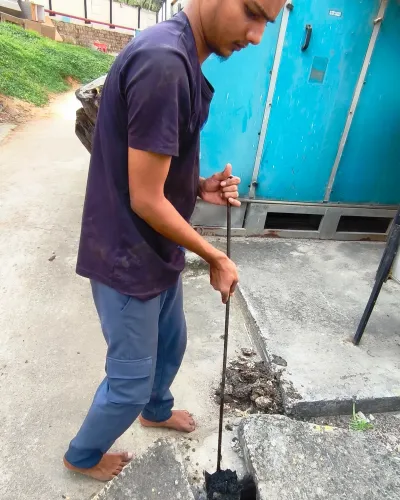
RESIDENTIAL SEPTIC TANK CLEANING SERVICES NEAR ME Residential septic tank cleaning is an essential maintenance task to ensure the proper functioning of a septic system, which is designed to treat and dispose of wastewater from homes not connected to a public sewer system. Over time, solid waste and sludge accumulate in the tank, potentially leading to blockages, odors, or system failure if not properly managed. Here’s what you need to know about septic tank cleaning: Why is Septic Tank Cleaning Important? Prevent Clogs and Overflows: If the tank becomes too full, it may lead to backups in pipes, drainage fields, or even cause an overflow, which can contaminate the surrounding soil and groundwater. Maintain Efficient System Functioning: Regular cleaning ensures that the septic tank and the entire system (drain field, pipes, etc.) continue to work properly by allowing solid waste to decompose and water to flow out. Increase System Lifespan: Regular maintenance helps extend the life of the septic system, potentially saving you costly repairs or replacements. Signs That You Need to Clean Your Septic Tank: Slow-draining sinks, showers, and toilets: This could indicate a clog in the system. Foul odors near drains or in the yard: Septic odors in the home or yard may suggest that the tank is too full or malfunctioning. Lush, green grass over the septic tank: If the area over the septic tank is unusually green or wet, it could mean that the tank is overflowing. Backups or sewage smell: This is a major sign that the septic tank needs immediate attention. How Often Should You Clean a Septic Tank? The frequency of septic tank cleaning depends on several factors: Size of the tank: Larger tanks require less frequent cleaning. Number of people in the household: More people means more waste and faster accumulation of sludge. Water usage habits: Households that use large amounts of water may need more frequent pumping. Use of garbage disposals: Regular use of a garbage disposal can fill the tank faster because it adds more solids. Typically, a septic tank should be pumped every 3 to 5 years. However, if the system is showing signs of trouble, cleaning may be necessary sooner. Steps in Septic Tank Cleaning: Inspection: A professional will first inspect the tank to assess its condition and the level of accumulated sludge. Pumping: A vacuum truck is used to pump out the accumulated sludge and scum from the tank. This removes most of the waste. Cleaning and Maintenance: Some companies will clean the interior of the tank and inspect the drain field to ensure everything is in working order. Disposal of Waste: The waste removed from the tank is taken to a licensed disposal facility. DIY vs. Professional Cleaning: While it may be tempting to try DIY methods, it’s strongly recommended to hire a licensed septic service professional for cleaning and maintenance. Septic systems can be dangerous and complex, and professionals have the necessary tools, training, and experience to do the job safely. Costs of Septic Tank Cleaning: The cost of septic tank cleaning can vary depending on several factors, such as location, tank size, and accessibility, but typically ranges from $200 to $600. It's important to consider this as an investment in the long-term health of your home’s septic system. In summary, regular septic tank cleaning is key to avoiding costly repairs and keeping your home’s plumbing system functioning smoothly.
 read more read more
 We hate spam too.